The Interaction Data Lab explores how collective intelligence takes shape when people learn, coordinate, and create together. Blending network science, qualitative research, and embodied practices, we study not only how groups perform, but how they cultivate presence, trust, and resilience in the face of complexity.
Current projects
Relational embodiment and empathy
With the Human Flourishing Program at Harvard and Cambridge, we study how relational mindfulness and group processes transform tensions into resilience, combining theory-building with narrative-based evaluation.

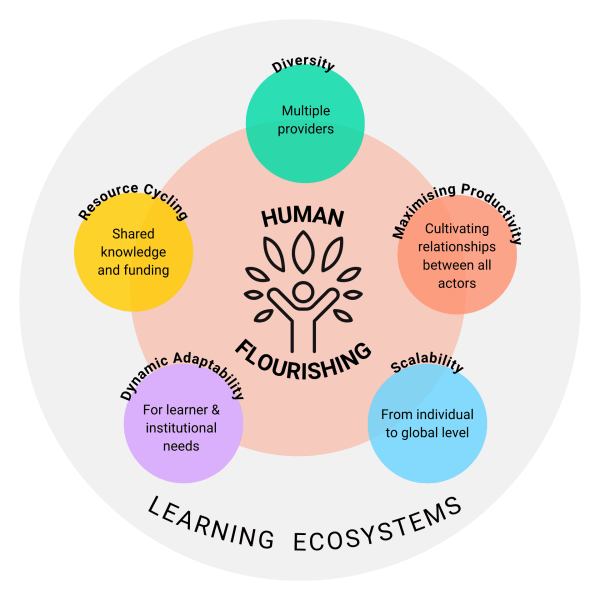
Learning ecosystems for human flourishing
This project applies mixed-methods analysis—including in-depth interviews, collaborative sensemaking, and open knowledge mapping—to understand how community-led learning ecosystems across the Global South foster human flourishing in adversity and to co-design scalable, context-specific frameworks for equitable education.
Pedagogies of togetherness
We design curricula that use relational and non-verbal social arts practices to foster empathy and collective presence in education. Alongside this, we are developing innovative ways to monitor impact—from narrative-based evaluation to computational analysis—pioneering a scientific approach to understanding how embodied practices shape learning and group dynamics.


Architectures of Attention
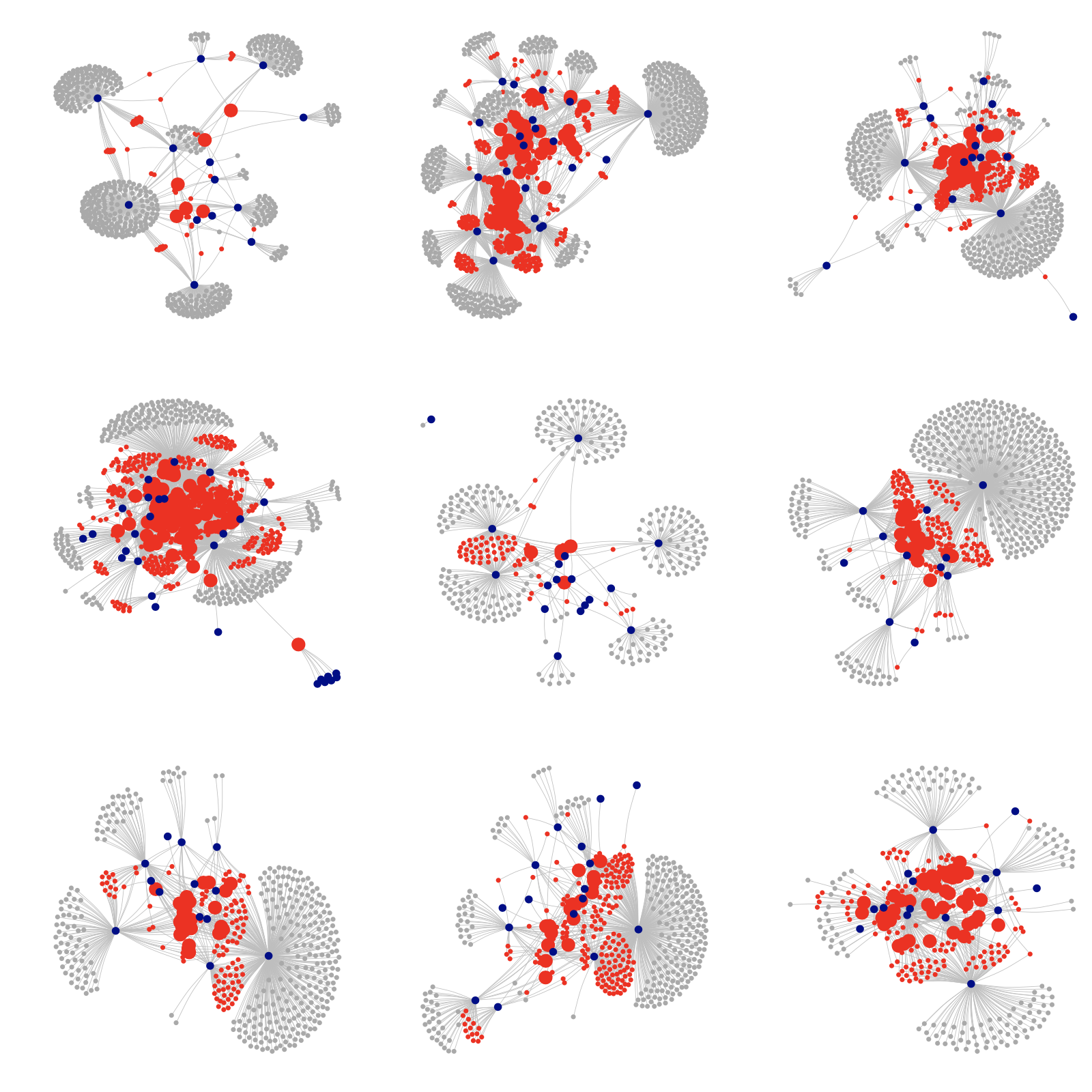
We study how teams coordinate by directing one another’s attention in real time. Analyzing the OpenCovid19 initiative, we introduce Attention Direction Ability—a measure of how signals trigger collective responses—and show that attention operates differently across project phases, shaping whether teams launch, sustain, and succeed.
Open science and the future researcher
This project studies the iGEM competition as a living lab to understand how open science shapes learning, collaboration, and innovation. Using surveys, digital traces, and ethnography, we analyze how individuals, teams, and the ecosystem evolve—offering insights for more open, resilient, and collaborative research futures.
LLMs for collective intelligence research
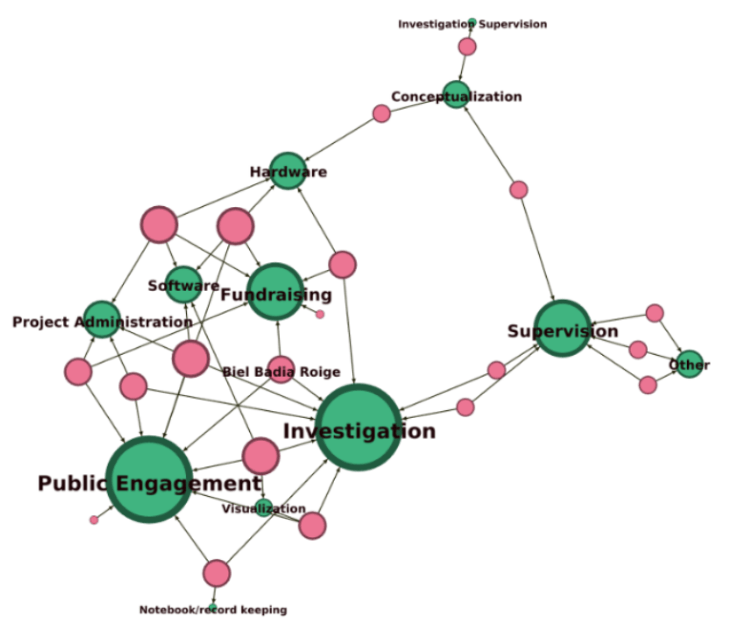
We apply Large Language Models to turn unstructured text into analyzable data, recovering both team networks and task structures as well as narrative maps of relational experience. By linking structural patterns of collaboration with self-reported processes of trust, conflict, and empathy, this project advances new methods for studying the emergence of collective intelligence.
Finished projects

Social network analysis in collaborative learning
We study how communication patterns—online and by phone—affect learning in collaborative settings. Using forum and call data, we analyze how peer interactions influence engagement and performance.
Structure of Open Source participation
This study introduces a refined model for capturing contribution patterns in open-source communities, moving beyond traditional Zipf assumptions. It opens new pathways for analyzing community structure, participation equity, and the dynamics of self-organized governance.


Mapping Science with embeddings
We use publication data and embeddings to map how scientific fields rise and fall, revealing life cycle phases and researcher trajectories between exploration and specialization.
Collaboration and performance in citizen science projects
We introduced a network-based framework combining surveys and digital traces to monitor team composition, engagement, and collaboration in the Crowd4SDG incubator. Key social features—like interdisciplinary diversity and advice-seeking—predicted project quality and progression, offering practical tools for coordinating SDG-aligned citizen science.

Designing recommender systems to enhance collective intelligence
Funded by a NESTA Collective Intelligence grant, this project develops a network-based recommender system on Just One Giant Lab to match contributors to project needs and support community self-organization, with a focus on enabling patient-led research during the OpenCovid19 initiative.
 Interaction Data Lab