
Education systems in many parts of the Global South face systemic barriers—conflict, poverty, displacement, and structural inequality—that conventional, centrally designed models struggle to address. In these contexts, learning ecosystems are emerging as a transformative alternative: community-led networks that integrate formal and non-formal education to promote equity, resilience, and learner agency.
This project investigates ten pioneering learning ecosystems across Africa, Asia, and Latin America, each operating in its own unique sociocultural and political environment. Our methodological approach combines qualitative inquiry, network analysis, and participatory research design to understand how these ecosystems enable human flourishing in adversity.
We begin with in-depth, semi-structured interviews with ecosystem leaders and key actors, generating rich narrative accounts of local challenges, governance models, and innovation strategies. These narratives are then synthesised through collaborative sensemaking workshops, where ecosystem representatives co-analyse findings, identify shared patterns, and surface distinctive practices.
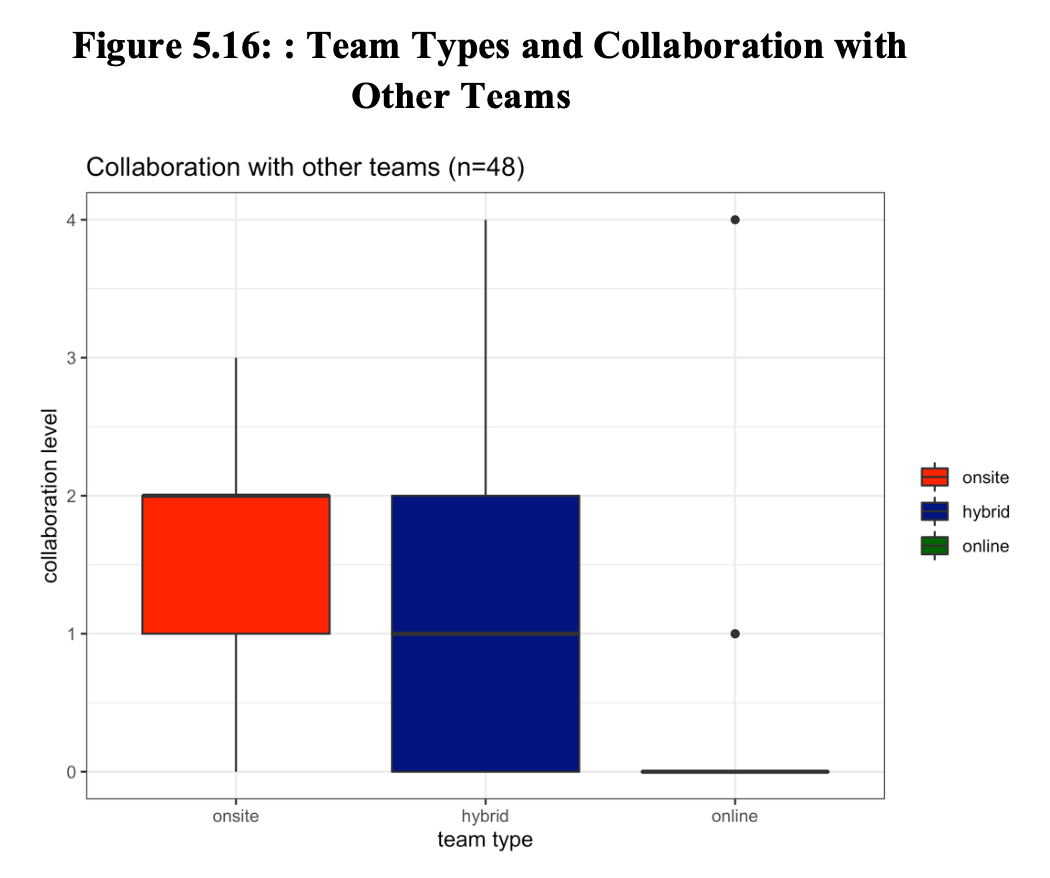
To extend the analysis, we apply network mapping to capture relationships within and across ecosystems, visualising flows of knowledge, resources, and collaboration. This is supported by the creation of an open knowledge repository—a curated dataset of cases, practices, and tools—designed for use by both practitioners and researchers.
Our analytic framework is explicitly co-designed with local stakeholders, ensuring that categories of success, resilience, and equity reflect community priorities rather than external benchmarks. Insights from this iterative process inform the development of a context-specific framework for scalable education models, designed to be adaptable across geographies while anchored in local realities.
By integrating field-based qualitative evidence with systems-level analysis, this work strengthens the collective capacity of learning ecosystems to address multi-layered barriers to education, influence policy through evidence generated with and for communities, and embed human flourishing at the heart of education systems.
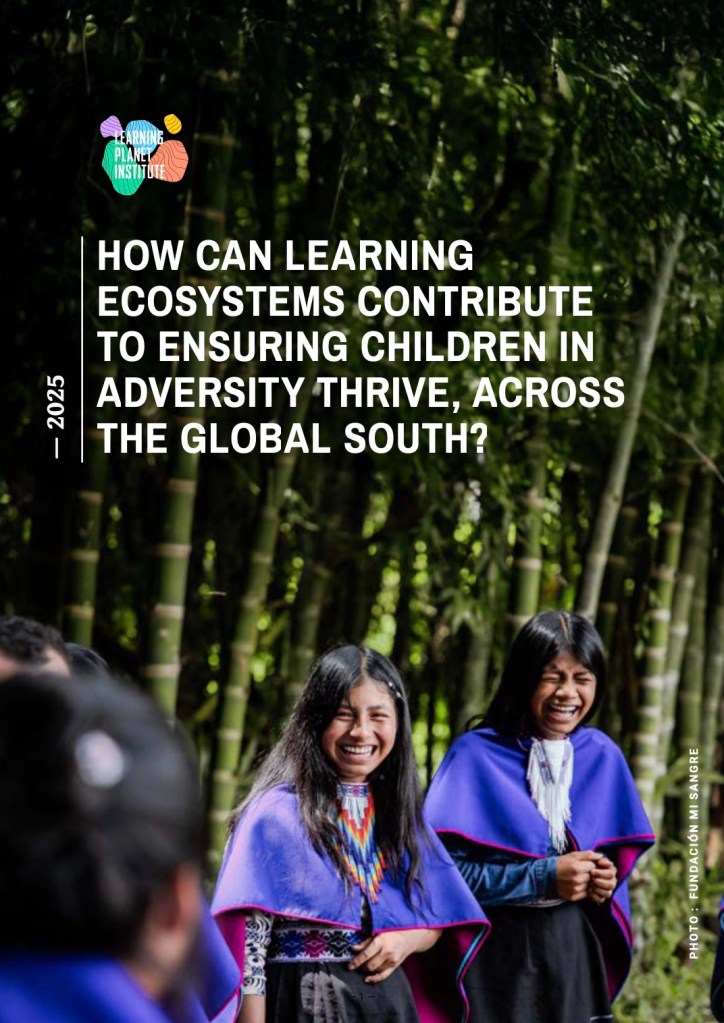
A report summarizing this project can be found here:

 Interaction Data Lab